
MUSEUMS
Effective museum lighting balances artifact preservation, accurate color rendering, and adaptive design to protect and showcase exhibits. Controlled, low-intensity LED lighting with UV filters minimizes damage to delicate materials, while motion sensors reduce unnecessary exposure. High-CRI LEDs ensure true-to-life colors, with carefully chosen color temperatures enhancing different exhibits. A layered approach using ambient, accent, and task lighting highlights key displays, prevents glare, and creates an engaging visitor experience. Adjustable track and fiber optic lighting offer flexibility and precision, ensuring artifacts remain both visible and well-preserved.
When designing museum lighting, three key factors ensure the best balance between preservation, visibility, and visitor experience.
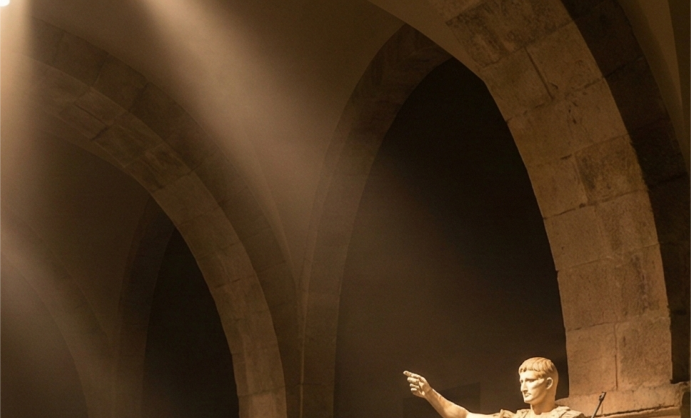
Preservation starts with tightly controlled light exposure. Low-intensity LED sources, UV filtering, and smart dimming reduce cumulative damage on fragile materials while still keeping exhibits legible and engaging for visitors.
Accurate color rendering is essential in museum lighting to ensure that visitors see artifacts and artworks as they were intended to be viewed. Using high Color Rendering Index LEDs allows for true-to-life color representation, preventing distortions that could misinterpret an artwork's details or historical significance. The color temperature should be carefully selected based on the type of exhibit - warmer tones create a soft, historical ambiance, while cooler tones enhance clarity for contemporary or scientific displays. Additionally, glare-free and well-balanced lighting prevents reflections on glass cases and paintings, ensuring a comfortable viewing experience. By combining high-quality light sources with precise positioning, museum lighting can both preserve and showcase exhibits in their best form.
Adaptive and layered lighting is key to creating a dynamic and engaging museum experience. By using a combination of ambient, accent, and task lighting, designers can add depth to the space, highlight key exhibits, and guide visitors' focus. Adjustable track lighting allows for flexibility, enabling changes in the display as exhibitions evolve or new items are showcased. Fiber optic lighting is particularly useful for delicate artifacts, as it provides precise, controlled illumination without generating heat. Layered lighting also helps reduce harsh contrasts, creating a more comfortable viewing environment, while glare-free lighting ensures that artifacts are seen clearly and without distractions. This approach not only improves the aesthetic appeal but also enhances the overall visitor experience by making the space feel welcoming and interactive.
PROJECT REFERANCES
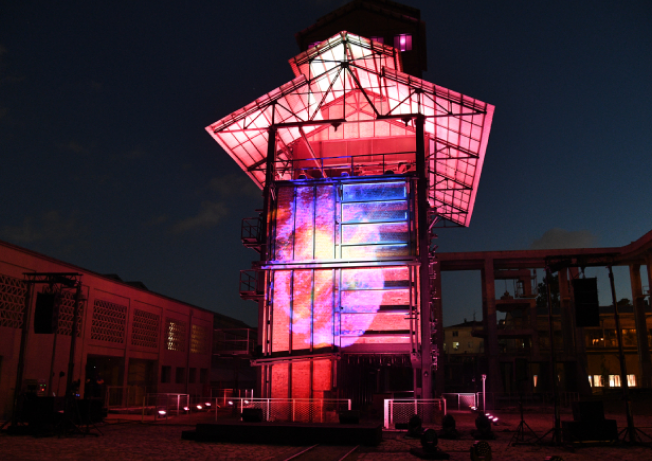
Gazhane Museum
Museum of Islamic Civilisations
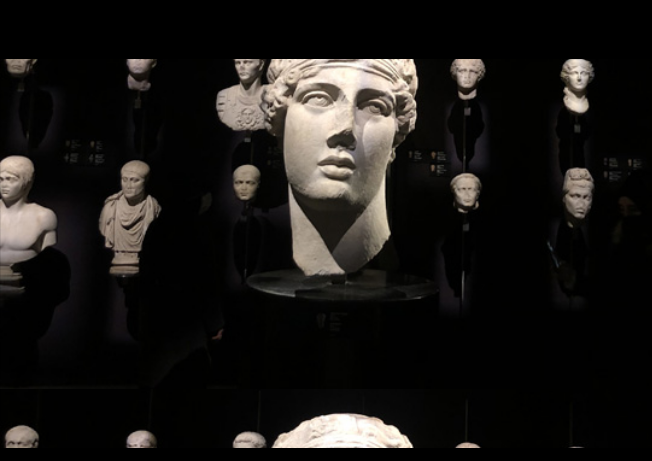
Istanbul Archaeological Museum
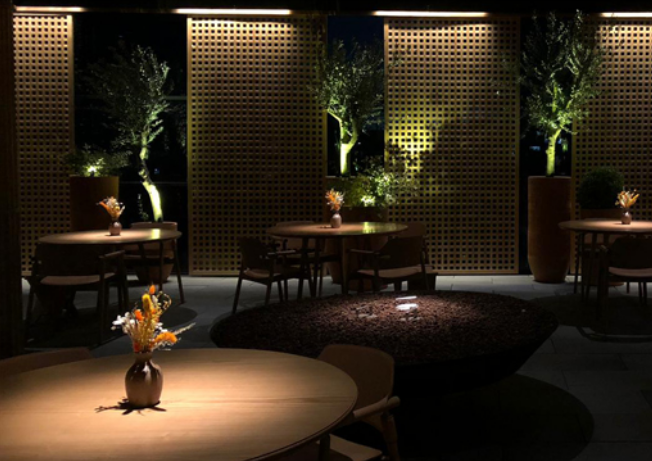
Turk Fatih Tutak Restaurant
OSB Fevzi Mercan Mosque
Halet Cambel Mansion
Divrigi Great Mosque And Hospital
Industrial Places
Gazhane Museum
Museum of Islamic Civilisations
Istanbul Archaeological Museum
Turk Fatih Tutak Restaurant
OSB Fevzi Mercan Mosque
Halet Cambel Mansion
Divrigi Great Mosque And Hospital
Industrial Places